
What Happens If We Find a Problem With Your Cargo at Our China Warehouse?
Quick Answer
When cartons arrive at our China warehouse with damaged packaging, a count difference, wrong labels or another visible problem, we record what we found - with photos where arranged - tell you about it, and agree the solution and cost with you before carrying out any chargeable work. How the exception was handled is reported back to you, and the final figures used for booking are confirmed per shipment.
Key Takeaways
- Our standard receiving check is carton-level: count, outer packaging, labels and visible condition
- Exceptions are recorded and reported to you - with photos where arranged - not quietly "fixed"
- Solutions and costs are confirmed with you before chargeable work starts
- Open-carton checks, repacking and reinforcement are service-arrangement items, not automatic
- We do not assign responsibility without checking the records
- Final booking figures are confirmed per shipment
Why Problems Usually Surface at Receiving
Supplier packaging is built for the factory's own logistics - a short domestic move, a retail shelf, an efficient pallet pattern. It is not always built for an international journey with several handling points. That is why many problems importers eventually hear about - crushed cartons, torn wrap, short counts, wrong labels - are first visible when the goods are received at a consolidation warehouse.
Our standard receiving check covers the carton count against the packing list, the outer packaging, labels and shipping marks, and the basic visible condition of each delivery. It is a carton-level check, not a product inspection: we check cartons, not products, and we do not open cartons or test goods unless that is agreed in advance as part of your service. Photo confirmation is provided where arranged. You can read exactly what our receiving check covers - and what it does not - in our guide to warehouse receiving checks.
This article is about the next step: what actually happens when that check finds something wrong.
How We Handle a Warehouse Exception, Step by Step
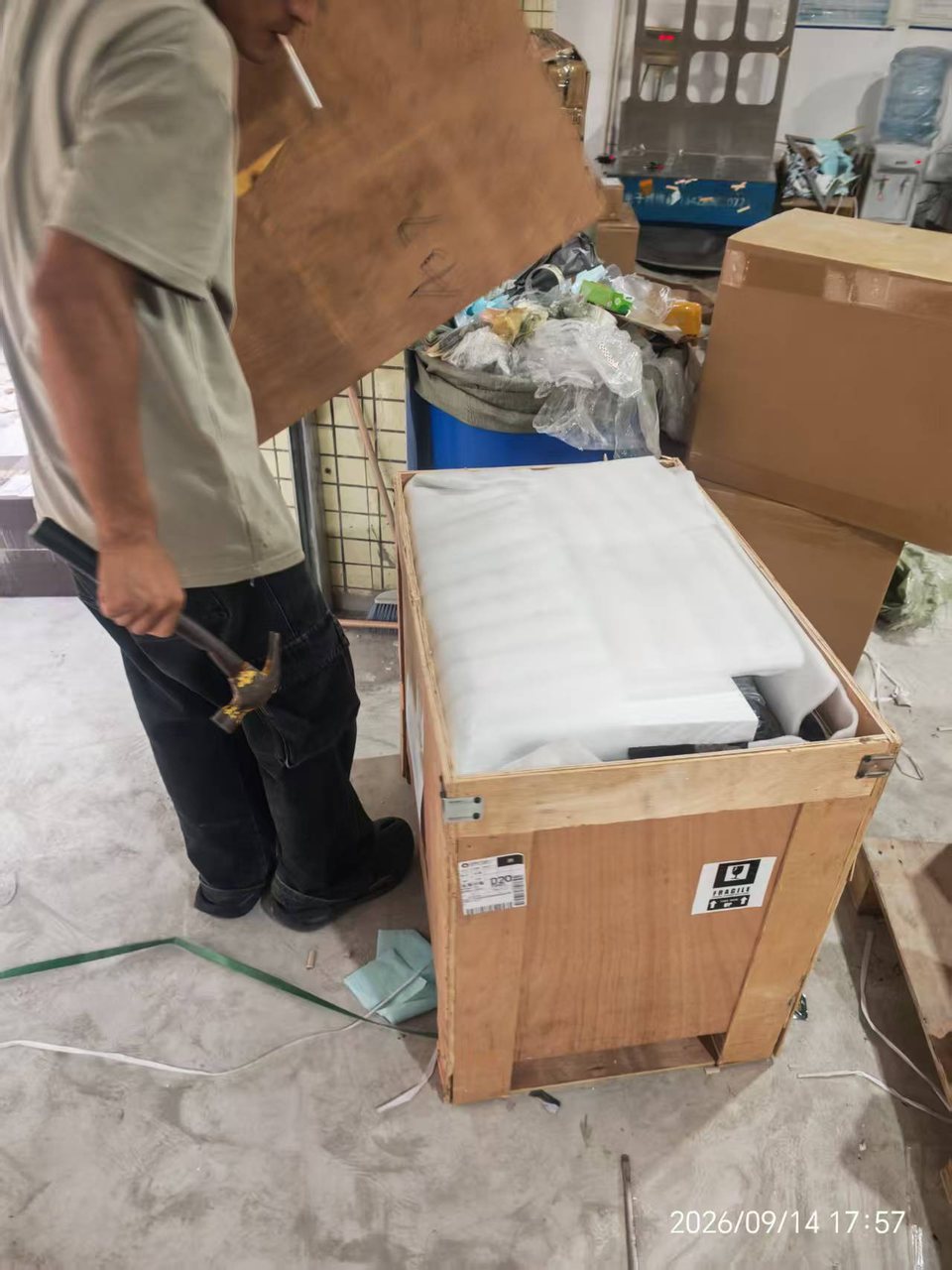
The photos in this article are independent operational examples from different shipments and different dates. They are not a before-and-after sequence of one consignment.
1. The exception is found at receiving
A count does not match the packing list, an outer carton is crushed or torn, a label is missing or belongs to another order, or a package is sitting out of position in its crate. Receiving is where these problems are caught, while the delivery can still be linked to a specific supplier.
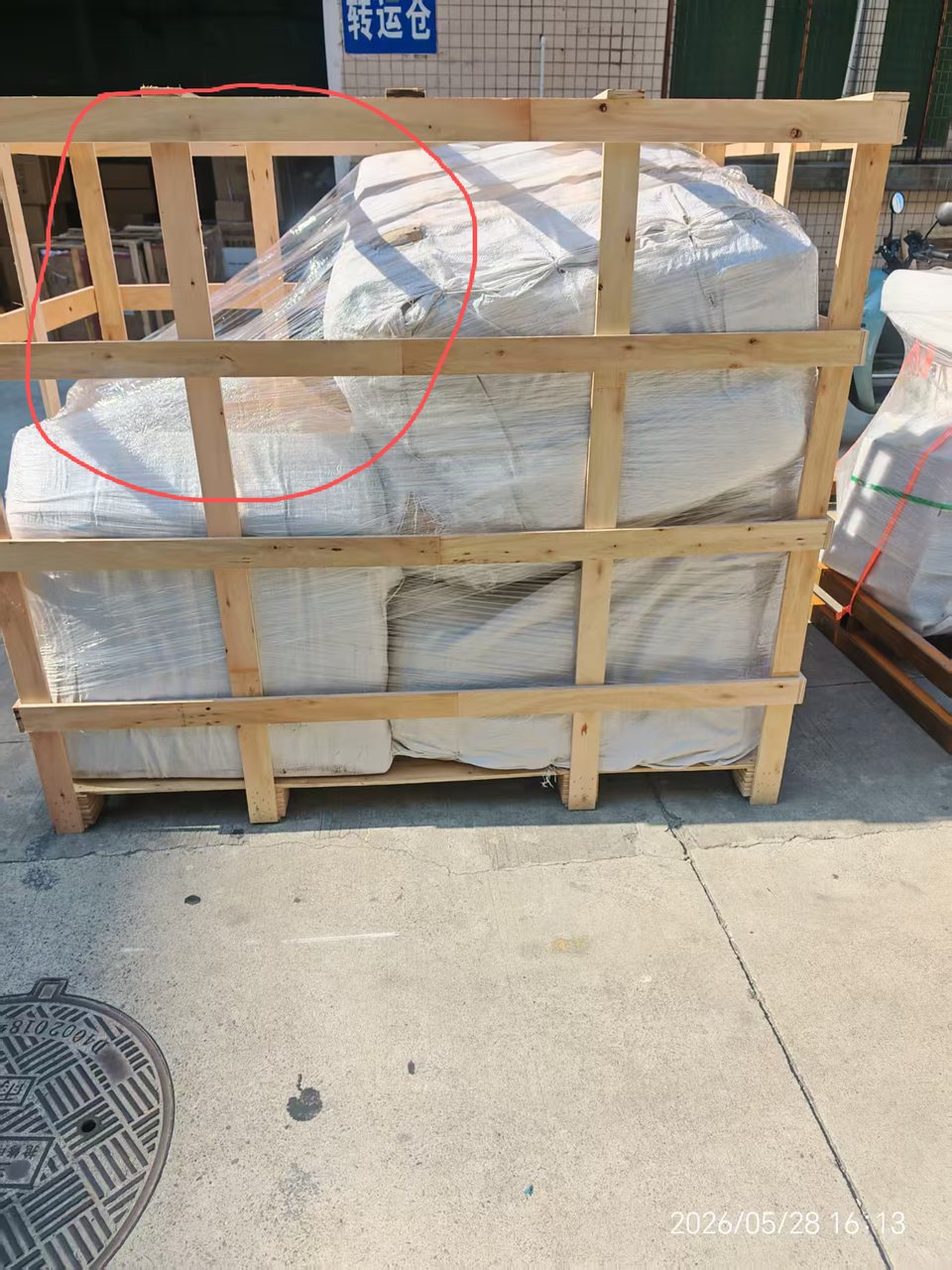
2. It is recorded - photographed where arranged
The visible problem is recorded and noted against the delivery - which supplier sent it, when it arrived, and what was seen, with photos where arranged. The record is factual: what the outside shows, not a conclusion about what happened or whose fault it is.
3. We tell you what we found
We tell you what we found - with photo records where arranged. For an outer-packaging problem, the report says what the packaging shows - it does not claim the product inside is damaged, because that cannot be seen from the outside.
4. You approve the option and the cost
Depending on the case, options can include replacing the outer carton, repacking into stronger cartons, reinforcing or rebuilding a crate, relabelling, an open-carton check if agreed in your service, or contacting the supplier to discuss a return, replacement or repair. Whether a supplier accepts a return, and how any domestic return transport and warehouse handling would be arranged, must be confirmed separately - we cannot promise that a supplier will agree to a refund, repair or replacement. Chargeable work is confirmed with you, including the cost, before it starts.
5. The agreed work is carried out
Once you have chosen, the work is done and photographed where useful - for example a wooden crate being rebuilt and reinforced as part of the agreed packing service.
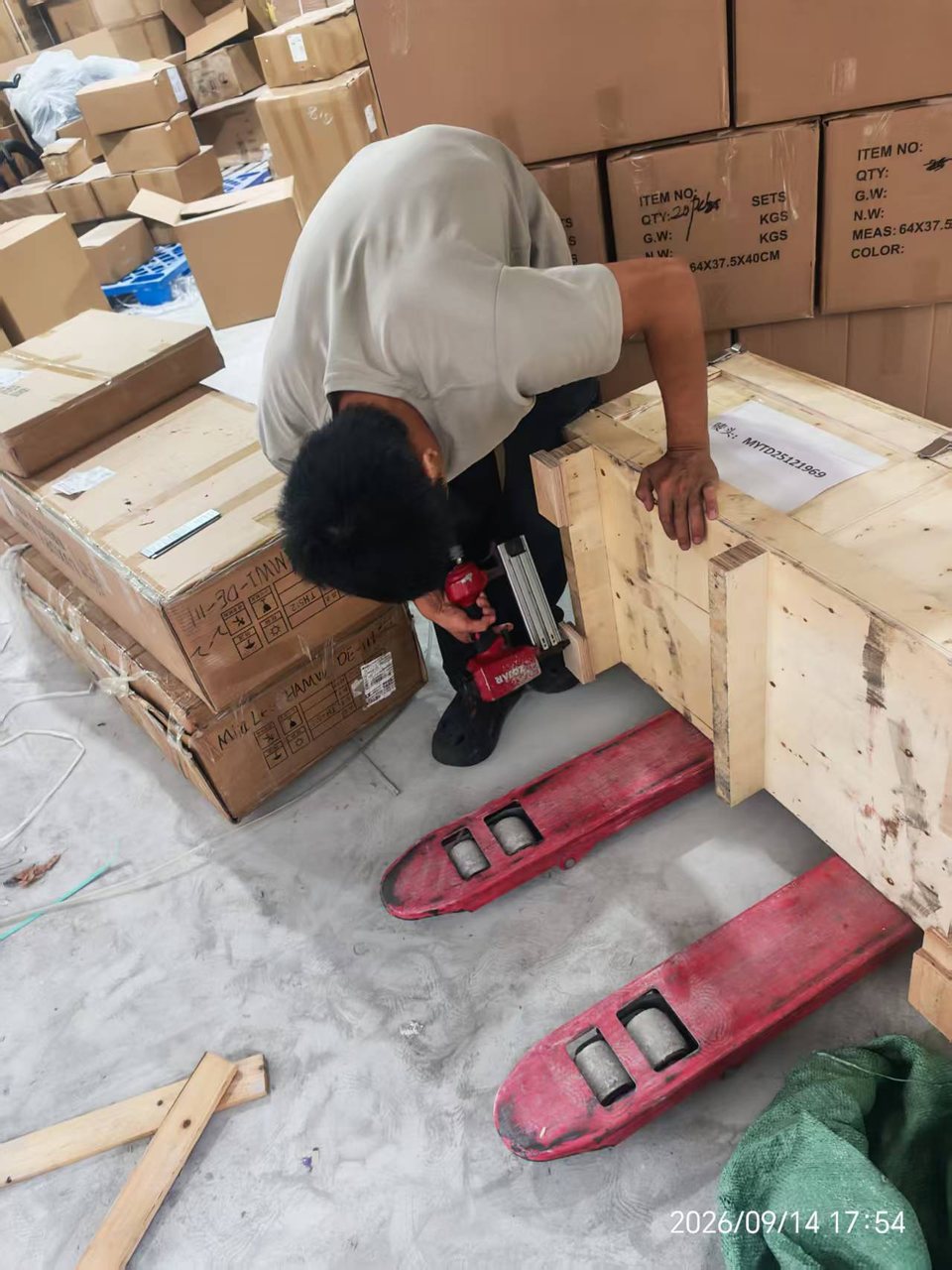
6. You get the feedback, then the shipment is arranged
After the agreed work, the outcome is reported back: what was done and, where arranged, photo records of the result. The final carton count, weight and volume are then confirmed per shipment, and the shipment is arranged on the confirmed figures.
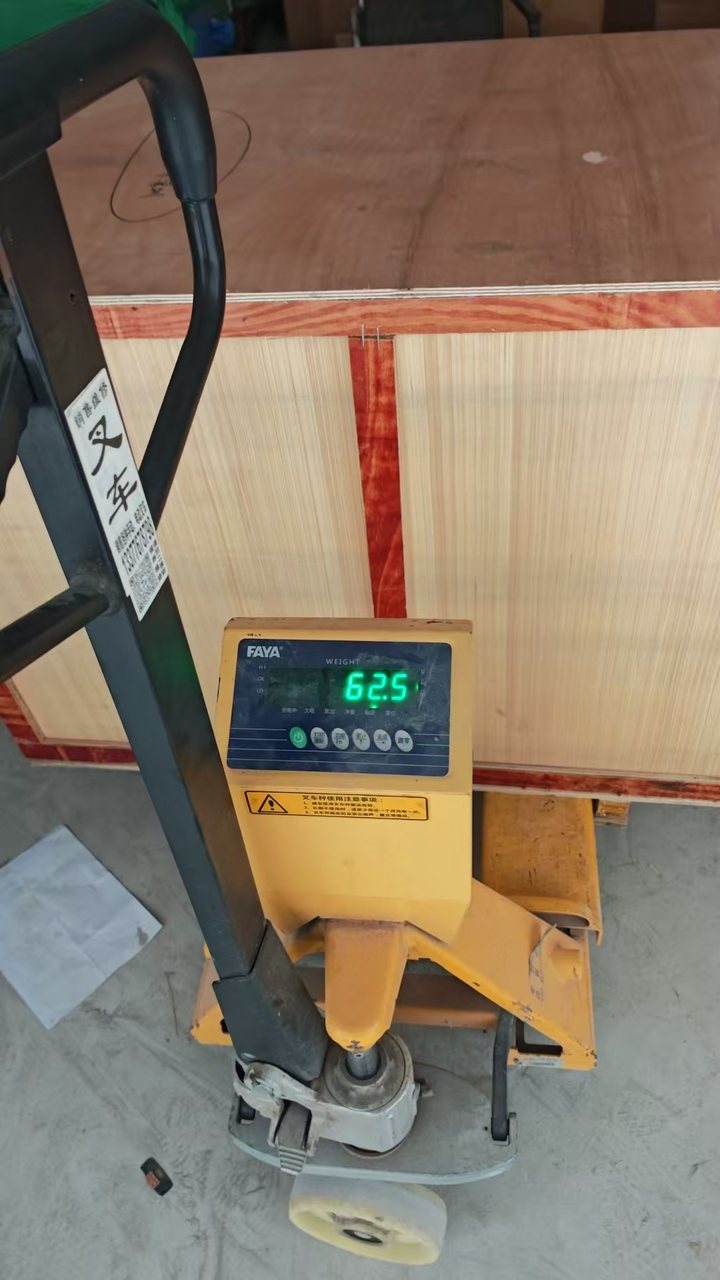
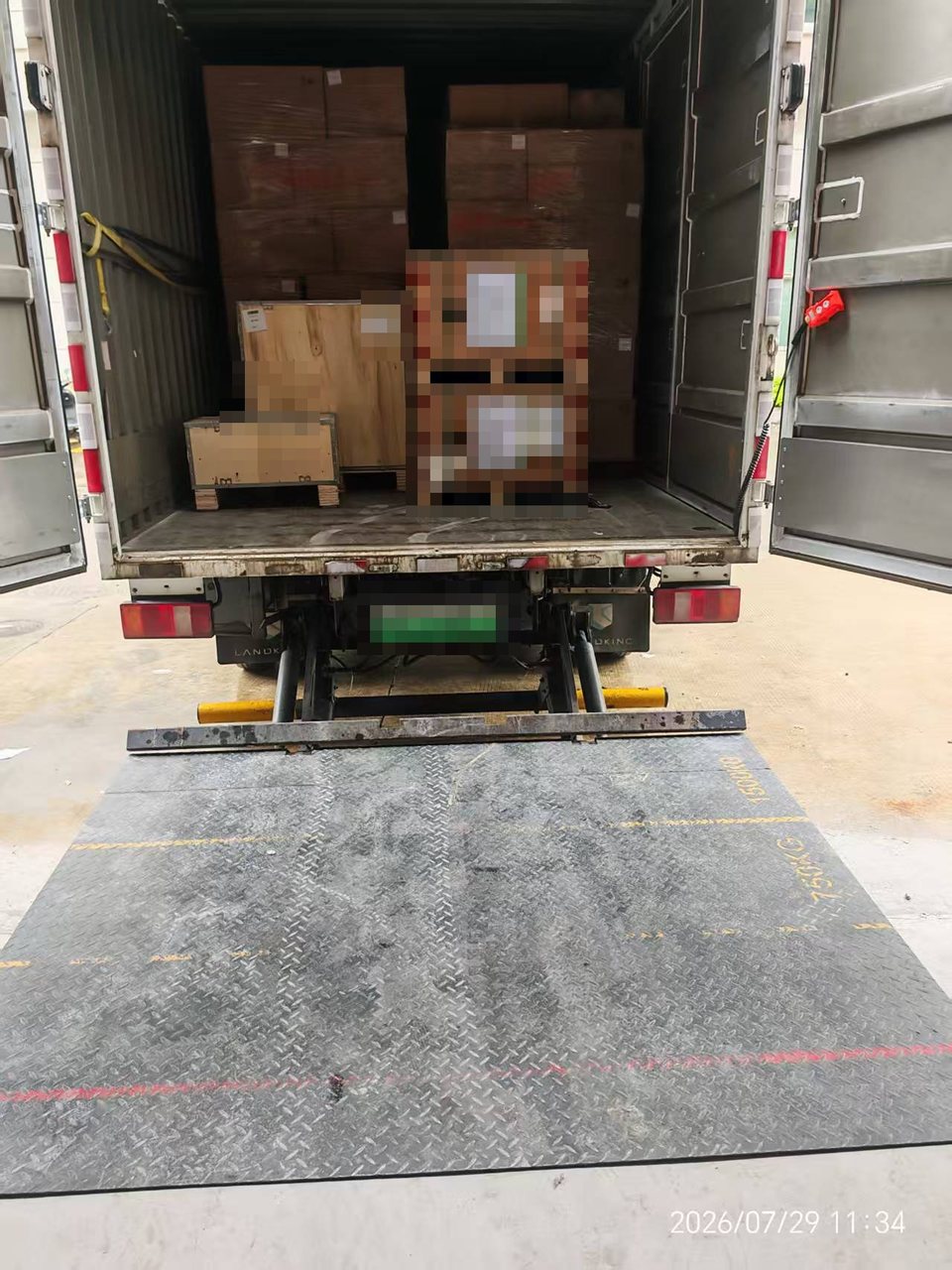
Damaged Cartons: What the Outside Can and Cannot Tell You
When a carton arrives crushed, torn or wet, the receiving check records the condition of the packaging. What the outside shows is real information - but it is not the same as knowing the state of the product inside.
So the report to you says what can be seen: torn wrap, a crushed corner, contents visible through the tear. Whether the product itself is affected is a separate question. Answering it needs an open-carton check - which is a service-arrangement item agreed in advance, not something we do automatically. If you want an inspection after a packaging problem, tell us and we will confirm what is possible and what it costs before opening anything.
Carton Count Differences: Supplier Records vs Warehouse Receipt
A common worry: "I shipped 20 cartons but the warehouse says it received 18." The useful comparison is between two records: what the supplier says it dispatched, and what the warehouse actually counted in. Both sides are checked - the supplier's dispatch note and quantity, and the warehouse's receiving count, with photos where arranged.
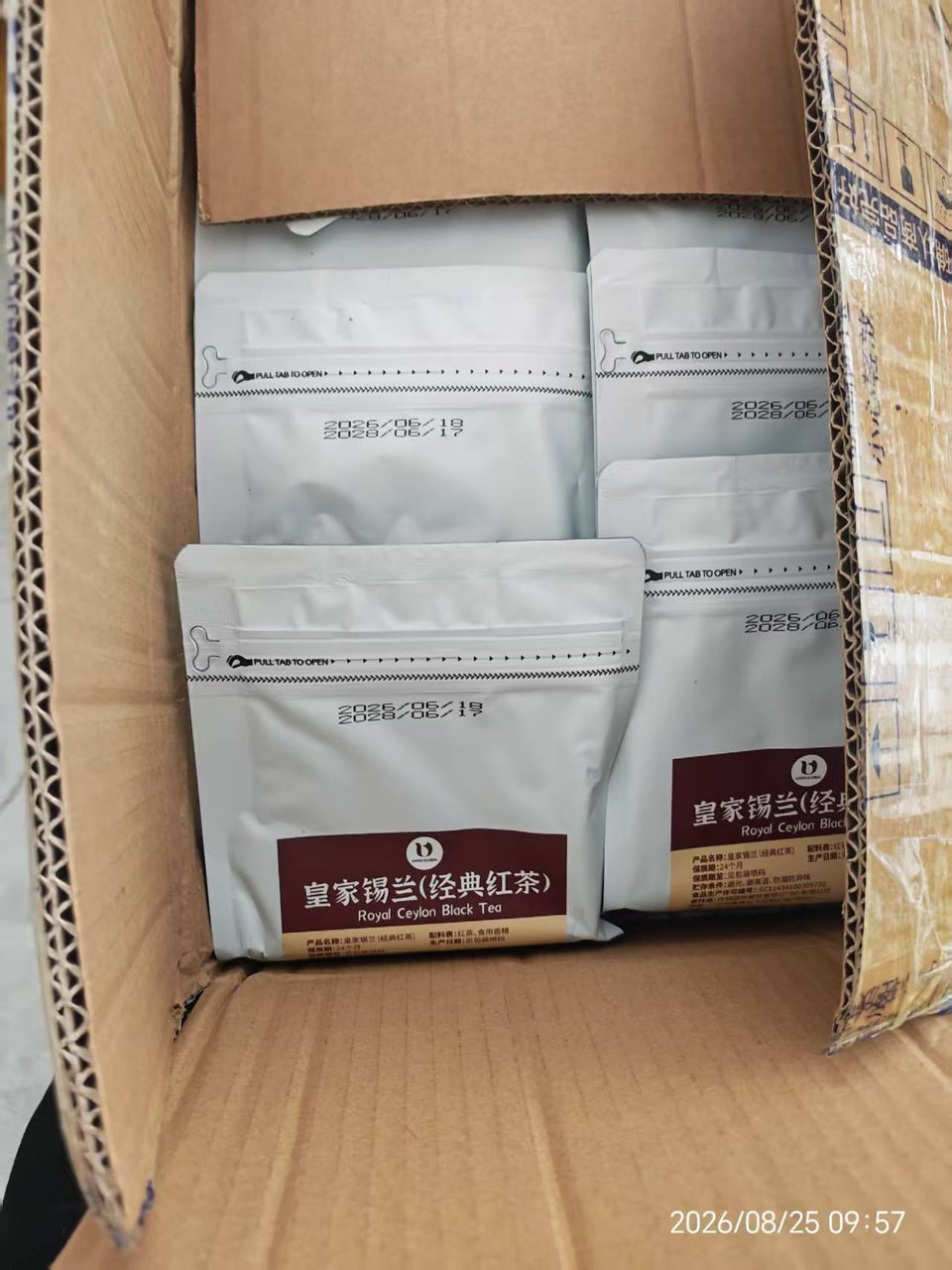
A difference does not tell you where the carton went missing. It may have been left at the factory, short-shipped, merged into another delivery, or miscounted on either side. The record exists so the gap can be raised with the supplier quickly, while the trail is fresh - not so that blame can be assigned on the spot.
Wrong Goods or Wrong Labels
Receiving also catches mismatches: cartons marked with the wrong order number, labels from a different customer, or goods that do not match what was agreed. Where an open-carton check has been agreed as part of your service, items can be unpacked, photographed and recorded so you can confirm what actually arrived.
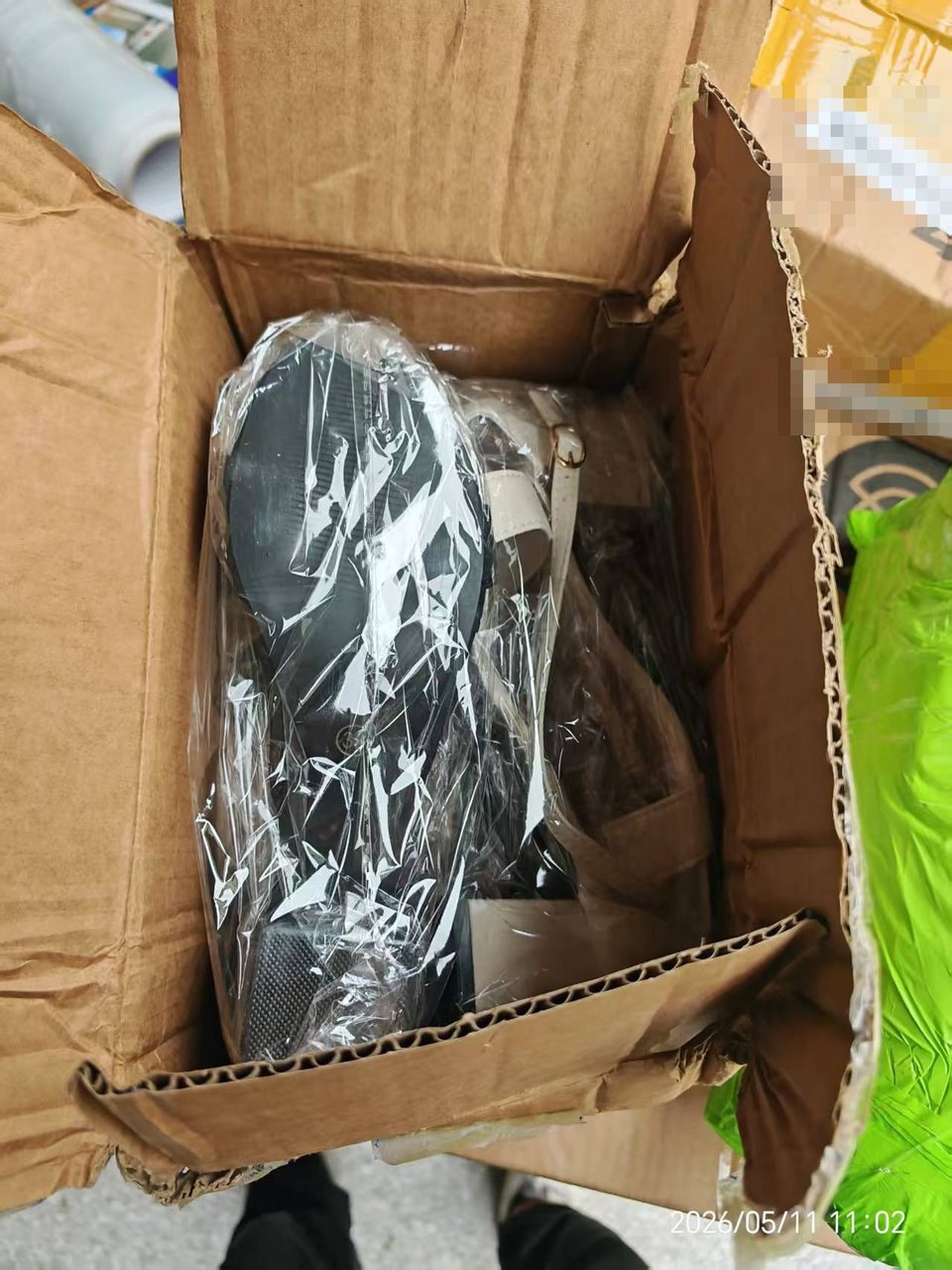
Label problems are usually the simplest to fix: correct shipping marks and carton labels, including FBA labels where required, can be applied before export once you confirm the correct details.
The Carton Looks Fine, but You Suspect the Product
Sometimes the concern runs the other way: the packaging looks intact, but you are worried about the goods inside. The standard receiving check cannot answer that - an intact carton tells us nothing about the product inside, and we do not promise to find every hidden defect. What we can do, when agreed in advance, is carry out an open-carton check: unpack, photograph, count and repack. If you need a deeper product inspection, that is a separate service we would need to discuss - it is not part of the standard check.
Goods Coming From Several Suppliers
With several suppliers feeding one shipment, each delivery is received and recorded separately, so a problem found in one supplier's cartons does not have to hold up the others. Each delivery keeps its own record: what arrived, when, and in what condition. If you are coordinating several factories, our multi-supplier consolidation guide explains how the overall process works.
Decision-Need Exceptions: We Come to You First
When an exception needs your decision - damaged cartons, a count difference, wrong labels - we contact you promptly with what we found - with photos where arranged - and the options, before carrying out the agreed solution. Work under your existing service agreement, such as replacing a damaged outer carton, can proceed on the terms already agreed, and the record is still shared with you.
Two things we do not do: we do not assign responsibility to the supplier, the warehouse or a carrier without checking the records; and we do not promise compensation for every case of damage or shortage. What we commit to is the process: record it, show you, agree the solution and cost, do the work, and report back before your goods move.
Frequently Asked Questions
The receiving check notes visible weaknesses such as thin cartons, poor sealing or loose filling. We then discuss reinforcement or repacking options with you, including the cost, before any chargeable work starts. For the cost side of repacking, see our article on how repacking can reduce shipping volume and freight costs.
Cargo is held at the warehouse until the agreed consolidation stage. We update you as deliveries arrive, and the shipment is booked on what has actually been received - not on what was planned. Nothing ships against your instruction.
It can. After repacking we re-measure the cargo, and the shipment is booked on the final confirmed figures. Any estimate given before repacking is indicative only and is confirmed per shipment.
Chargeable work - such as open-carton checks, repacking, labelling or reinforcement - is confirmed with you in advance, including the cost. Responsibility for damage or shortage is assessed case by case based on records and the terms agreed for your shipment; we do not assign responsibility to the supplier, the warehouse or a carrier without checking those records first.
No. Certain categories - for example lithium batteries and liquids - are subject to channel, carrier and destination restrictions. Acceptance, documents and routing are confirmed per shipment and per booking.
Where photo records are arranged, you receive photos of the exception and of the agreed work. The final carton count, weight and volume are confirmed per shipment before booking. You can also agree checkpoints with us in advance and request updates at each one.
Practical Warehouse Support Behind Your Shipment
Problems are easier to understand and coordinate when they are found early, on the ground, while the delivery can still be traced. A warehouse that checks at receiving, records what it sees and talks to you before acting will not catch every possible defect - no honest operation promises that. What it offers is earlier visibility of visible problems, clearer records and practical options to coordinate when something goes wrong.
If you are looking for that kind of support in China, our warehousing and consolidation service covers receiving, holding, repacking, labelling and export by sea or air freight, plus eligible DDP door-to-door service.